Creating a safe atmosphere in child care centers is paramount for both the children and the team. The unpredictability of little ones's actions integrated with their natural interest makes it necessary to implement effective childproofing strategies. This post will check out various strategies, guidelines, and first aid basics called for to make sure safety within these crucial environments.
Childproofing Methods: Creating a Safe Setting in Child Care Centers
When discussing childproofing techniques, we can not overlook the significance of identifying potential dangers. From sharp sides to choking dangers, understanding exactly how to create a safe environment is fundamental.
- Evaluating Spaces: Consistently analyze areas where children play and learn. Furniture Safety: Guarantee that all furnishings is secure and free from sharp corners. Safety Gates: Use entrances to limit accessibility to stairways or hazardous areas.
By taking these preventative measures, instructors can decrease dangers significantly.
Understanding Childcare Security Hazards
Common Youth Injuries
In any type of child care setup, comprehending common injuries can help educate prevention approaches. Some common injuries include:
- Falls Cuts and scrapes Choking incidents
Each of these occurrences needs specific responses. Do you understand what instant activities to take if a youngster chokes?
Recognizing Bronchial asthma Symptoms
Asthma can posture significant risks in child care settings. Identifying bronchial asthma symptoms early can be life-saving. Indicators may include:
- Coughing Wheezing Difficulty breathing
Training in recognizing these signs is important for all childcare staff.
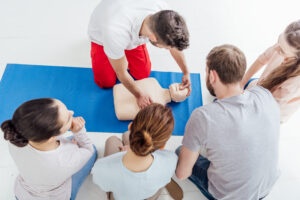

First Aid Fundamentals for Educators
HLTAID012 Supply Emergency treatment in Education
One significant stepping rock towards making sure safety is training personnel in HLTAID012 courses tailored for academic settings. first aid certificate darwin This accreditation gears up instructors with essential first aid courses to provide in perth abilities like:
- Administering CPR Managing small wounds Choking avoidance techniques
Importance of Educating Renewal Timelines
Keeping up with renewal timelines ensures that your staff remains knowledgeable and educated about present techniques. Normal refreshers are vital.
|Accreditation|First Duration|Renewal Regularity|| ---------------|------------------|-------------------|| HLTAID012|3 years|Every 3 years|
Childcare Staff Emergency treatment Demands Australia
In Australia, it's vital for child care personnel to fulfill certain first aid demands consisting of:
Current emergency treatment certification (e.g., HLTAID012) Training in taking care of childhood years fever Understanding epipen administrationThese components collectively add to a well-appointed team prepared for emergencies.
Managing Minor Wounds Effectively
What To Include in Your Child Care Centre Emergency Treatment Package Australia?
A well-stocked first aid kit is an essential source in every childcare center. Here's what need to be included:
- Adhesive plasters of numerous sizes Antiseptic wipes Gauze pads and tape Disposable gloves
By making certain these things are easily available, managing small wounds comes to be much easier.
Proper Hand Hygiene Practices
The Value of Hand Hygiene in Childcare Settings
Hand hygiene can not be first aid and cpr courses darwin overstated when it pertains to avoiding infections among kids. Educators needs to highlight:
Regular handwashing after utilizing the toilet. Washing hands before eating. Teaching kids correct handwashing techniques.Creating Involving Hygiene Routines for Kids
Making health fun can advertise far better behaviors amongst kids! Consider making use of tracks or games that urge constant handwashing.
Child Defibrillation Guidance
What Is AED and Its Duty in Childcare Centers?
An Automated External Defibrillator (AED) can be critical throughout heart emergency situations. Educating staff on exactly how to use an AED efficiently can conserve lives.
Understanding Immediate Feedback Responsibilities During Emergencies
Each educator have to recognize their role throughout emergency situations involving defibrillation or various other critical responses.
Incident Coverage Protocols
Why Event Coverage Matters?
Maintaining clear records via event coverage protocols assists track safety and security compliance and identifies areas requiring improvement.

Document each event immediately. Review reports regularly with staff. Adjust plans based upon findings.
Playground Accidents: Prevention Strategies
Designing Safe Play Locations for Children
Playgrounds can be hotspots for crashes if not created correctly. Take into consideration applying these techniques:
- Soft ground surface areas (like compost or rubber mats). Age-specific tools usage guidelines.
By making backyard with safety as a priority, you minimize threats significantly.
Building Instructor Self-confidence Through Training Programs
Training is key to building confidence among educators regarding security protocols and emergency responses.
Written vs Practical Components of Educating Programs
Balancing theoretical expertise with functional experience results in extra skilled educators who feel empowered throughout crises.
FAQs regarding Childproofing Techniques
What are one of the most common security hazards in child care centers?- Common dangers consist of choking risks, drops, electrical outlets, and sharp objects.
- Certifications like HLTAID012 commonly need renewal every 3 years.
- Essential items consist of adhesive bandages, disinfectant wipes, gauze pads, handwear covers, and emergency situation call numbers.
- Incorporate fun activities such as washing hands with each other while vocal singing songs!
- Calmly assist the youngster by providing their inhaler if readily available and calling emergency situation services if signs worsen.
- Yes! All staff members must have existing emergency treatment certifications customized for child care environments.
Conclusion
Childproofing methods are critical for creating risk-free atmospheres within childcare facilities across Australia and past. By comprehending possible dangers such as choking risks or asthma signs while applying robust training programs like HLTAID012, we ensure our facilities are equipped to respond properly in emergencies while fostering safe rooms where children can flourish securely under supervision.
As we dive deeper into this subject, it becomes noticeable that recurring education concerning childcare safety guidelines not only advantages children however also enhances the confidence of teachers responsible for their treatment-- inevitably molding futures full of guarantee and security!